KnowU Wellbeing: Know Your Numbers, Understand Your Normal
The internet can be an incredible place, helping us to answer those random questions that pop into our brains throughout the day, but it can be overwhelming for some.
It can be too easy to search up your symptoms when you’re feeling unwell and hope to find an answer, only to be met with an abundance of information (making me feel more confused than I did at the start!).
In a world that seems to be constantly changing (which causes endless worries), feeling aware and confident about our wellbeing has never been so important.
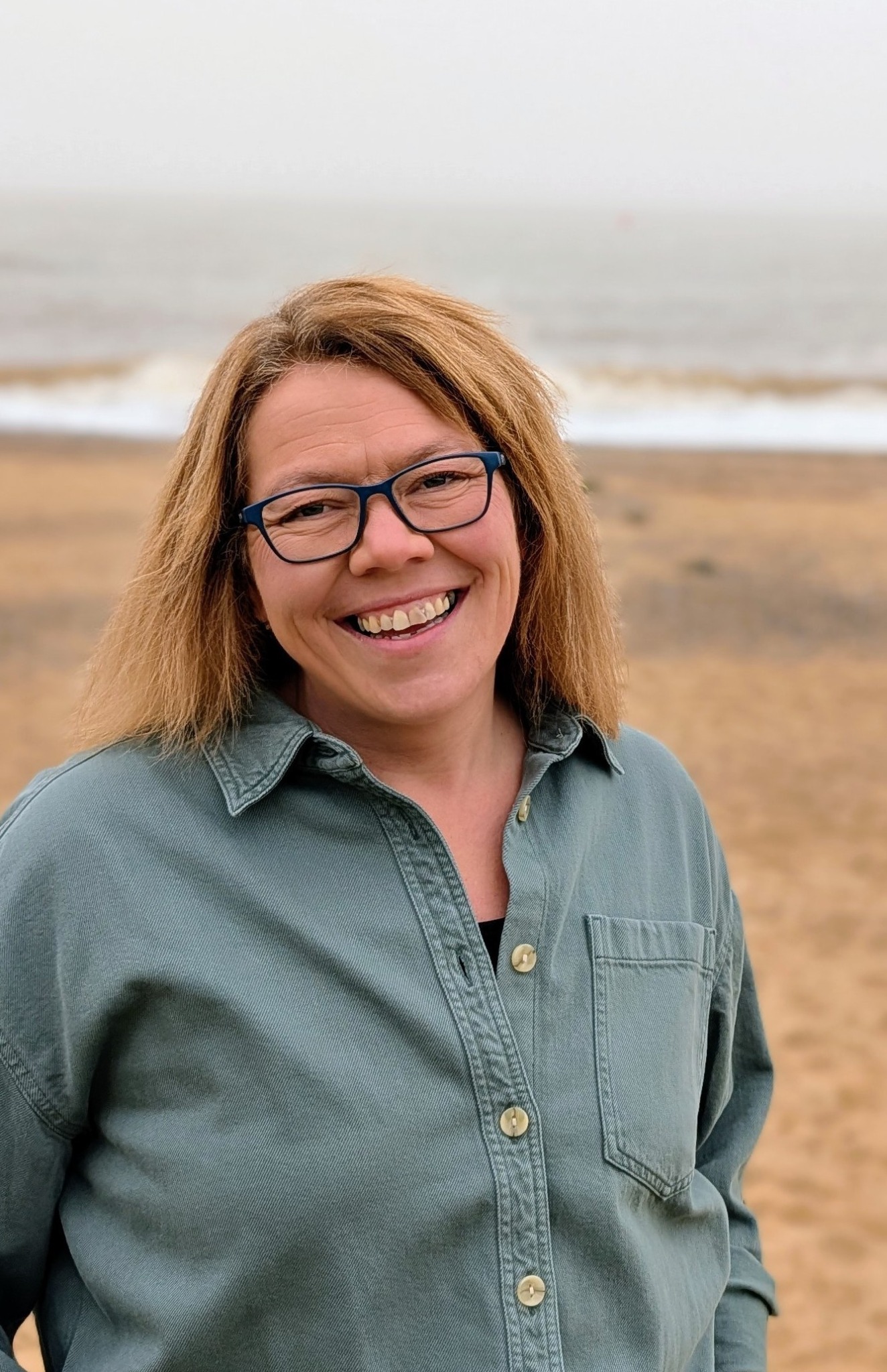
I recently met Kirsty, the Founder of KnowU Wellbeing, an independent service that provides one-on-one health check-ins across Norfolk and Suffolk.
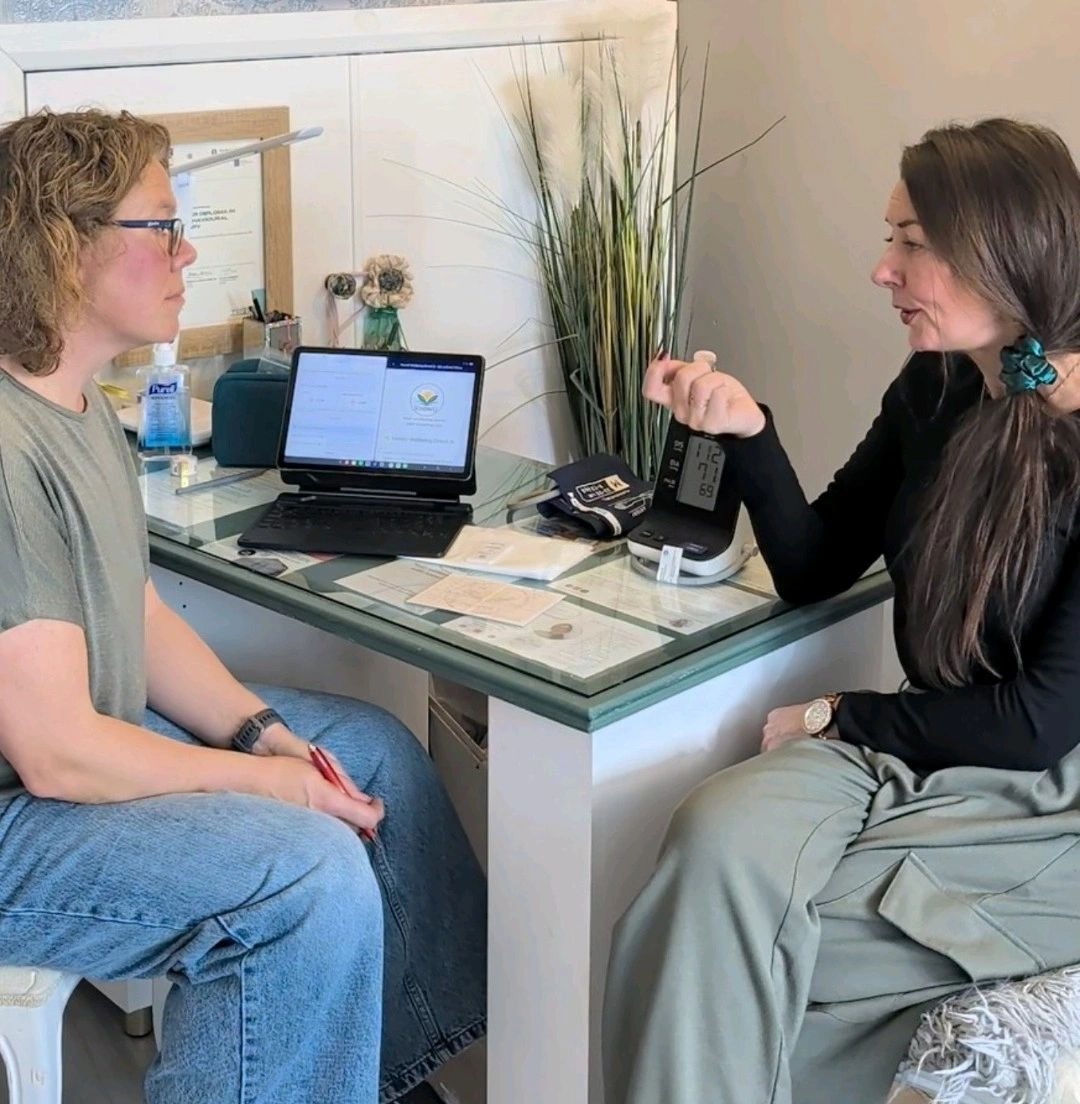
When I visited Kirsty for a wellbeing check-in, I felt instantly at ease. She spoke through everything clearly and allowed me to understand what my numbers meant to me. Not only does Kirsty create a safe space which is free from judgement, but she allows you to work together to create achievable and unique goals for your wellbeing. I left feeling confident and comfortable with my numbers and aware of the importance of looking after my wellbeing.
I spoke to Kirsty to discover the journey of KnowU Wellbeing and the importance of knowing your numbers and understanding your normal.
When did KnowU Wellbeing begin (and what was the inspiration behind this?)
KnowU Wellbeing officially launched in September 2025, but the inspiration came from more than 20 years of working with people in a variety of health and wellbeing settings.
I've worked in optics, care homes, supporting people in their own homes, dementia care, weight management, stop smoking services and NHS Health Checks. Although those roles were very different, they all taught me something valuable about people, health and the importance of feeling listened to.
Time and time again I met people who wanted information, support or reassurance, but there was often a barrier in the way.
Sometimes that barrier was confidence. Sometimes it was knowing where to go. Very often it was eligibility.
I found myself having conversations with people who genuinely wanted to engage with their health but couldn't access support for a variety of reasons. Sometimes they were considered too young, sometimes they weren't deemed high risk enough, and occasionally it came down to something as simple as their postcode.
I completely understand why services need eligibility criteria. Resources must be prioritised and support often needs to reach those at greatest risk first. However, those experiences made me increasingly aware of the number of people who wanted to engage with their health before reaching a threshold or qualifying for support. It sparked a desire to create something that was accessible to all adults, regardless of age, postcode or whether they met a particular set of criteria.
I've spent years meeting people exactly at the point where they're ready to make a change, and it often felt like a missed opportunity when there wasn't an obvious place to direct them.
Working alongside older adults, people living with dementia and their families also reinforced how important prevention, awareness and early conversations can be. So many people wished they'd known certain things sooner or had opportunities to think about their wellbeing earlier.
If I'm honest, there are things I know now that I wish I'd understood in my twenties and thirties. Not because I would have done everything perfectly, but because I would have had a better understanding of how everyday choices can influence my long-term health and wellbeing.
That has become a real passion of mine. Helping make wellbeing conversations more accessible for younger generations, while also reminding people that it's never too late to start. Whether you're 25 or 75, there's always an opportunity to take that first step, understand where you are now and make choices that support your future health.
KnowU Wellbeing was built on that belief. Creating a space where people can pause, know their numbers, understand their normal and feel supported to make informed choices without judgement. A space where wellbeing conversations are accessible, supportive and available to all adults who want them.
What can people expect when they attend a wellbeing check-in?
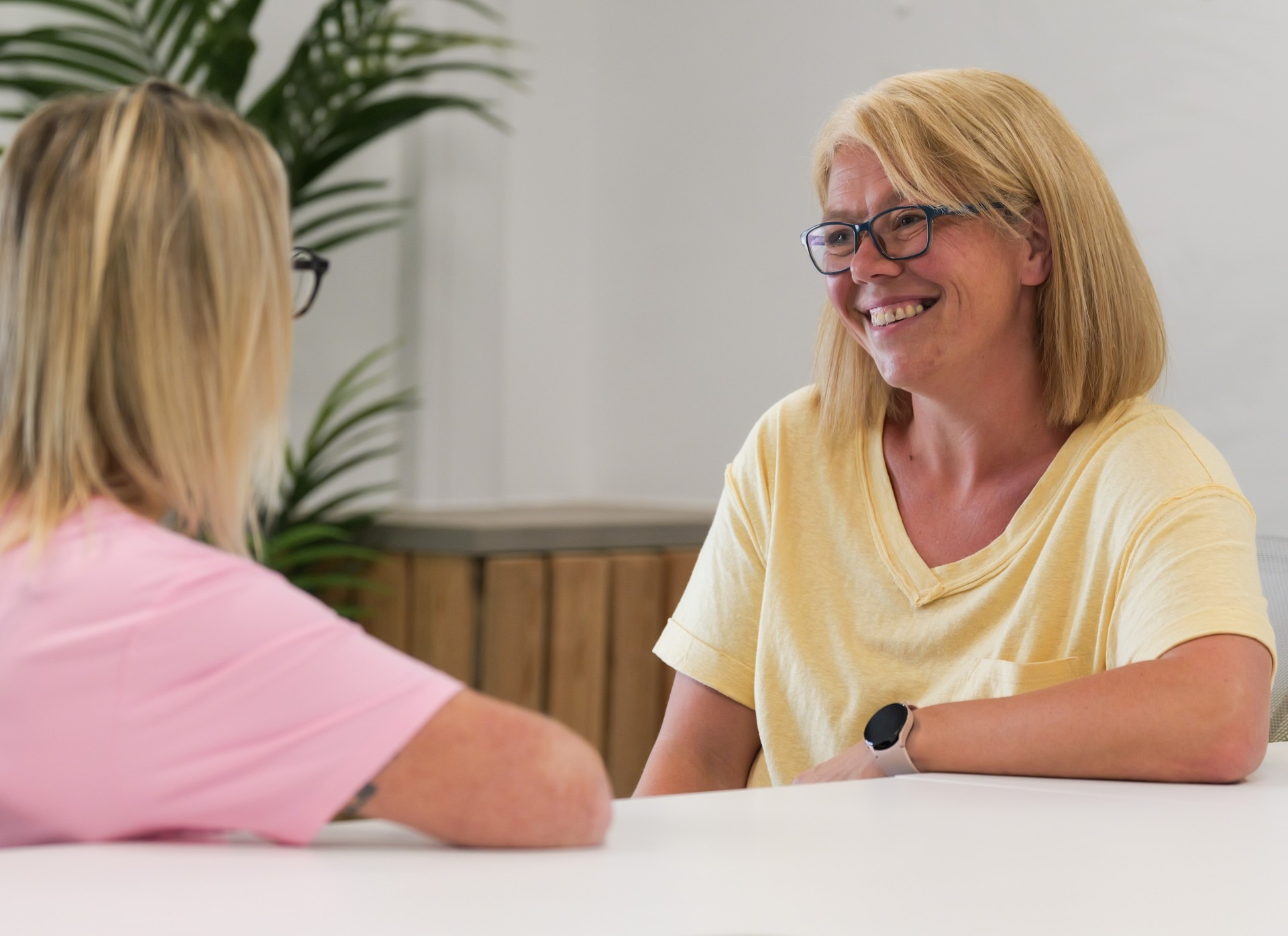
First and foremost, a friendly conversation and a chance to pause.
We spend so much of our lives looking after other people, meeting deadlines and moving on to the next thing that we rarely stop and check in with ourselves. That's exactly what these sessions are designed to do.
People often arrive expecting a test or wondering if they'll be told they've got things right or wrong. I always reassure them that there's no pass or fail. We're simply building a picture of where they are right now.
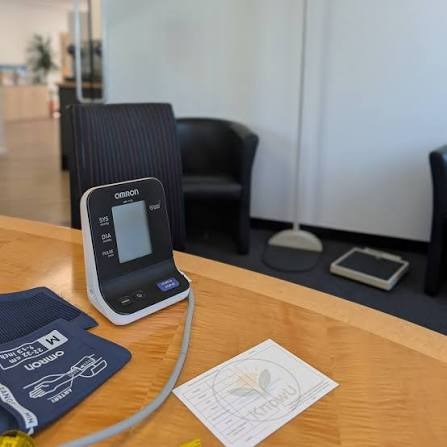
Depending on the check-in they've chosen, we might look at things like blood pressure, cholesterol, HbA1c, diabetes risk, weight or waist measurement. Those measurements can provide useful information, but they're only part of the story.
Just as importantly, we'll talk about sleep, stress, movement, nutrition, energy levels and whatever else might be affecting their wellbeing. Some of the most valuable conversations aren't about the numbers at all. They're about understanding what's happening in someone's life and how that might be influencing how they feel.
Everyone leaves with their own results and a better understanding of what those results mean for them. For some people, that's simply a pat on the back and reassurance that what they're doing is working well. For others, it might be the motivation to make a small change or a conversation about support that could help them move forward. Occasionally it may provide the information someone needs to have a conversation with their GP.
Some people choose to check in regularly, while others might come once a year, much like an annual service. There is no one-size-fits-all approach. The right frequency is whatever feels useful and meaningful to that individual.
My aim is that people leave feeling informed, reassured and empowered. Whether they leave with a pat on the back, a key to their doctor's door, or a bit of both, every outcome can be valuable if it helps someone better understand their health and wellbeing.
What do you hope for your wellbeing check-ins to achieve?
Above all, I hope they help people feel more connected to their own health and wellbeing.
Many of us spend years looking after everyone else and putting ourselves to the bottom of the list. We notice changes in how we feel but often don't stop to explore them or understand what they might be telling us.
My hope is that a wellbeing check-in gives people the opportunity to pause, reflect and gain a clearer picture of where they are right now.
For some people, that might be reassurance that things are heading in the right direction. For others, it might highlight an area they'd like to focus on or encourage them to seek further support. Both outcomes are equally valuable.
I don't believe wellbeing is about perfection. It's about awareness. Once we understand our starting point, we're in a much better position to make informed choices about what comes next.
I also hope the check-ins help people recognise that small steps matter. We can become overwhelmed by the idea that we need to change everything at once, but often the most meaningful improvements come from small, sustainable changes repeated over time.
Ultimately, I want people to leave feeling informed, empowered and confident in their ability to influence their future health and wellbeing. Whether that's a pat on the back for the positive habits they already have, a decision to make a small change, or a conversation with their GP, every step forward counts.
Most importantly, I want people to know that it's never too early and never too late to start paying attention to their wellbeing. Wherever you are today, that's your starting point, and there's always an opportunity to take the first step.
To many, the doctors or a healthcare environment can cause stress or anxiety about the unknown. How does KnowU Wellbeing help to ensure people feel confident about their wellbeing?
Firstly, I think it's important to say that we are incredibly fortunate to have so many dedicated healthcare professionals working hard every day to support people. Throughout my career I've worked alongside some truly amazing individuals and KnowU Wellbeing isn't about replacing those services. In many cases, it's about complementing them.
What I recognised was that some people feel nervous about healthcare settings, while others simply don't feel they need a doctor's appointment but would still value an opportunity to check in with their health and wellbeing.
For some people it's white coat syndrome. For others it's fear of wasting someone's time, worrying about what results might show, or not feeling confident enough to ask questions.
KnowU Wellbeing offers a different type of conversation. It's not about diagnosis or treatment. It's about creating space to pause, reflect and better understand yourself.
There is no pass or fail, no judgement and no expectation that someone should be doing everything perfectly. We simply look at where they are now and explore what that might mean for them.
I often remind people that numbers are just information. They aren't good or bad. Sometimes they provide reassurance and a well-deserved pat on the back. Sometimes they help explain how someone has been feeling. Occasionally they provide the confidence or information needed to have a conversation with a healthcare professional.
For me, success isn't about finding problems. It's about helping people feel informed, supported and confident enough to take whatever next step is right for them.
I want people to leave feeling that their wellbeing is something they can influence rather than something they should fear. If a wellbeing check-in helps someone feel more confident, more informed and more connected to their own health, then I've achieved what I set out to do.
How important are the relationships you create with clients (and how do you maintain these to help with progress/ making healthy changes)?
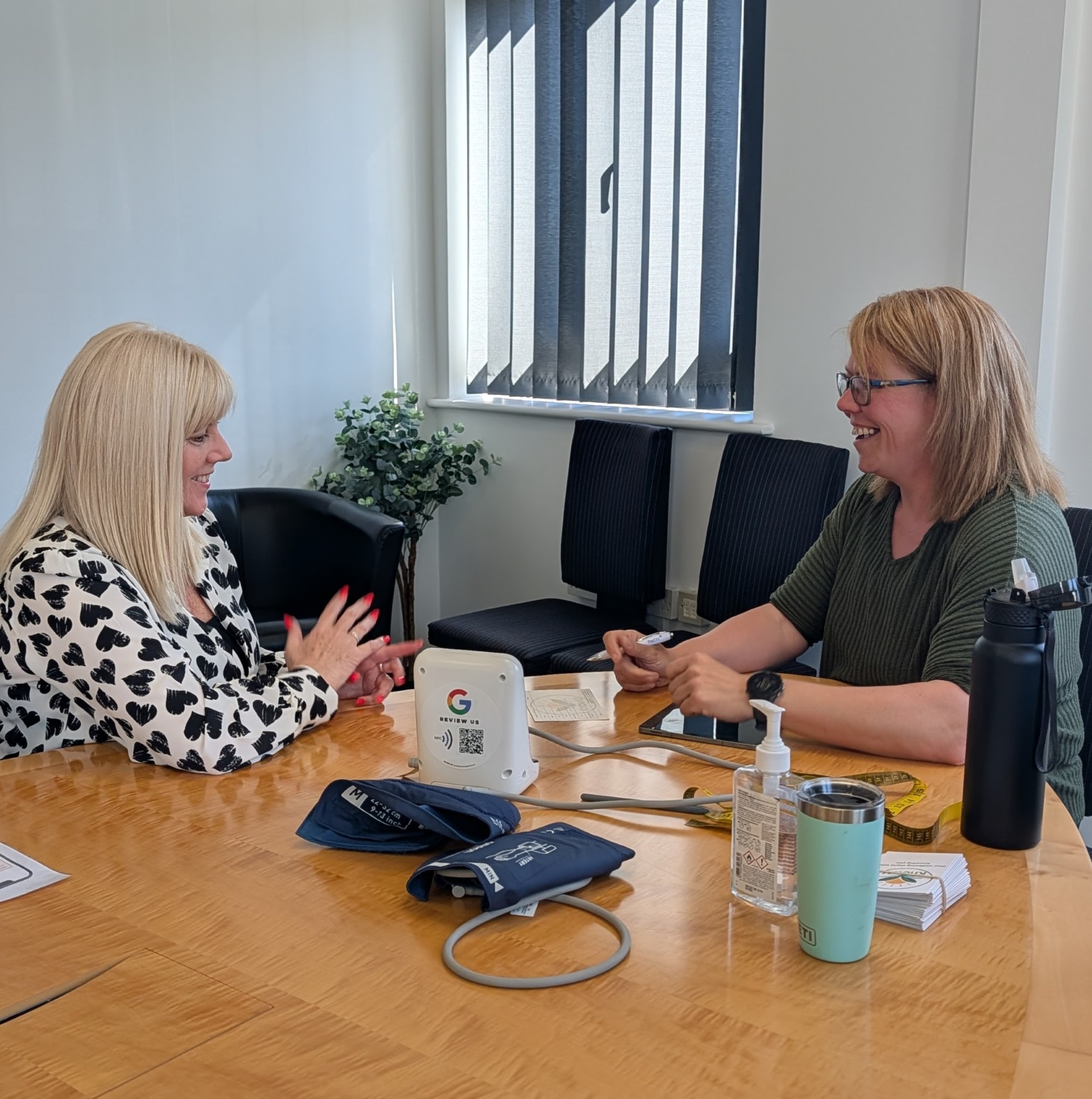
For me, the relationships are everything.
Throughout my career, whether I was helping someone choose glasses, supporting a family affected by dementia, facilitating weight management groups or delivering NHS Health Checks, the thing I enjoyed most was always the people.
Measurements and results are important, but meaningful conversations happen when people feel comfortable, listened to and understood.
Often people come to a wellbeing check-in expecting to talk about blood pressure, cholesterol or weight, but what emerges is a much bigger picture. We talk about work pressures, caring responsibilities, confidence, sleep, stress, family life and all the things that influence our wellbeing every day.
I think healthy changes are much more likely to happen when people feel supported rather than instructed. My role isn't to tell people what they should do. It's to help them explore their options, recognise what's already working well and identify realistic steps that fit their life.
One size rarely fits all. What works for one person may not work for another, and that's why taking time to understand the individual is so important.
Some people choose to come back regularly to track their progress, while others may check in annually or simply return when they feel they need that space to reflect. There is no right or wrong approach.
One of the most rewarding parts of what I do is hearing from people weeks or months later who tell me they've made a change, booked an appointment they'd been putting off, started prioritising themselves again or simply feel more confident in understanding their health.
For me, those relationships are built on trust, honesty and genuine curiosity. People don't need another person judging them. They need someone who will listen, help them make sense of the bigger picture and support them in taking the next step that's right for them.
How important is the relationship between our mental and physical health (and how do your check-ins help explore this relationship further)?
I think the relationship is hugely important because our minds and bodies are constantly influencing each other.
When we're stressed, worried or overwhelmed, it can affect our sleep, energy levels, motivation, eating habits and physical health. Equally, when we're struggling physically, whether that's poor sleep, low energy, pain or health concerns, it can have a real impact on our mood, confidence and overall wellbeing.
For many years health was often talked about in separate boxes, physical health over here and mental wellbeing over there. In reality, most people don't experience life that way.
The wellbeing check-ins provide an opportunity to step back and look at the whole picture. Rather than focusing on a single result, we explore how different areas of life might be influencing one another.
Sometimes people realise that stress is having a bigger impact on their wellbeing than they thought. Sometimes they recognise that improving sleep could have a positive knock-on effect in several areas of their life. Sometimes they discover they're already doing far more well than they give themselves credit for.
What I hope the check-ins do is encourage curiosity rather than criticism. Instead of asking "What's wrong with me?" we can start asking "What's influencing how I feel?" and "What small changes might help?"
Often that's where the most meaningful conversations and sustainable changes begin.
How does it feel to be part of Feel Good Norfolk (and how important are these connections/ collaborations with local organisations)?
Although I've only recently joined Feel Good Norfolk, it's already highlighted just how many passionate people and organisations are working hard to support wellbeing across Norfolk.
Alongside Feel Good Norfolk, I've also had the opportunity to become involved with Great Yarmouth Unity Project (GYUP). What I've enjoyed about both is that they bring together people from very different backgrounds, sectors and communities, all with a shared desire to make a positive difference.
They each offer something slightly different and have introduced me to new conversations, perspectives and opportunities that I may not otherwise have come across. They've reinforced something I've believed for a long time: no one person or organisation can be everything to everyone.
Whether someone needs support with their physical health, mental wellbeing, menopause, neurodiversity, movement, social connection, financial wellbeing or something completely different, there are so many fantastic people already doing amazing work within our communities.
One of the things I love most about these networks is that they help turn signposting into genuine connections. It's one thing to hand someone a leaflet or suggest they call a number. It's another to be able to say, "I know someone who could help with that," or "Why don't you have a chat with Claire?" or "Give Tina a call, she'd be brilliant to talk to."
Those personal connections can make support feel much more accessible and far less daunting.
For me, collaboration isn't about who provides the support. It's about helping people find the right support at the right time. If a wellbeing check-in leads to someone joining a local group, speaking to a specialist, building new connections or accessing support they didn't know existed, that's a fantastic outcome.
I genuinely believe we're better together. The more connected we are as organisations, businesses and community groups, the easier it becomes to create pathways that help people feel supported, informed and empowered.
Ultimately, wellbeing isn't built by one service alone. It's strengthened through relationships, collaboration and communities working together to help people thrive.
What do you hope to achieve in the future of KnowU Wellbeing?
I'd love to see KnowU Wellbeing become a trusted and recognisable part of the wellbeing landscape across Norfolk and Suffolk.
When I launched the business, my aim wasn't simply to offer health checks. It was to create welcoming spaces where people could pause, reflect and have meaningful conversations about their wellbeing.
Looking ahead, my dream would be to create a balanced mix of private appointments, workplace wellbeing programmes and community outreach. Each offers something different, but at the heart of it all is the same aim: meeting people where they are.
Workplaces provide an opportunity to reach people who might not otherwise prioritise their own wellbeing. Community outreach helps take conversations into places where people already feel comfortable and connected. Private appointments create the time and space for more personalised support and ongoing check-ins.
I'm excited by the opportunity to continue building relationships with local organisations, businesses and community groups that share a similar ethos. Some of the most rewarding moments come when people relate to the right support, activity or opportunity at the right time.
As KnowU grows, I'd love to build a small team of like-minded people who share the same values and passion for helping others. Not to become the biggest wellbeing company, but to enable us to reach more people while maintaining the personal, supportive approach that KnowU was built on.
If we're talking blue-sky thinking, I'd also love to have a KnowU Wellbeing mobile unit one day. A welcoming wellbeing space on wheels that could travel into workplaces, communities and events, making wellbeing check-ins even more accessible. Somewhere people could step in, have a relaxed conversation and take time for themselves in a comfortable, non-clinical environment.
Most importantly, I hope the business never loses the personal approach it was built on. The conversations, the relationships and helping people feel seen, heard and supported will always matter more to me than numbers on a spreadsheet.
Ultimately, that's what KnowU Wellbeing is all about. Meeting people where they are, helping them better understand themselves and supporting them to take whatever next step feels right for them.
If, in years to come, KnowU Wellbeing is known as a trusted, approachable place where people feel comfortable checking in with themselves and taking positive steps towards better wellbeing, I'll be incredibly proud of what we've achieved.
To keep up to date with the work of KnowU Wellbeing, you can head to their Instagram (@knowuwellbeing)!
Post a comment