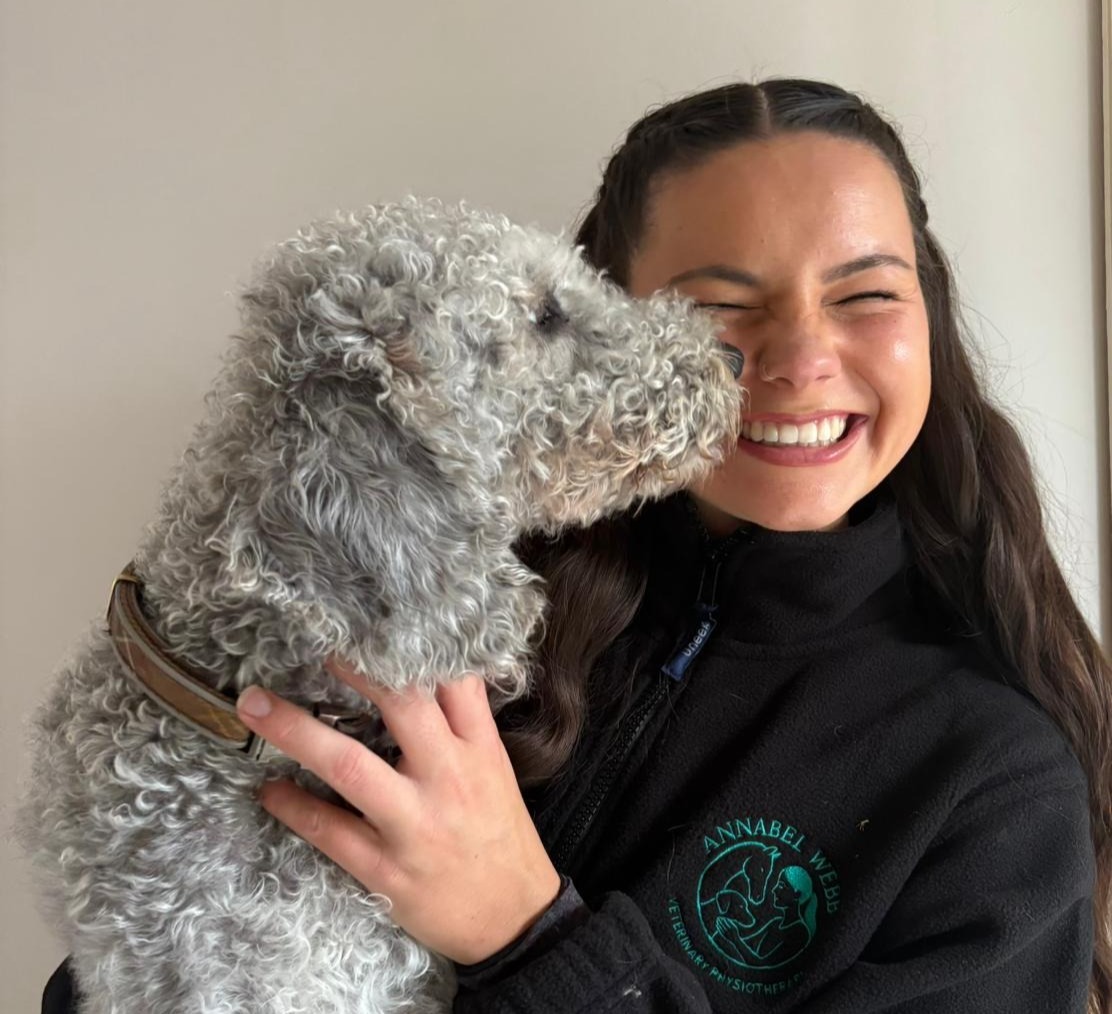
Annabel Webb Veterinary Physiotherapy: Equine and Canine Rehabilitation Built on Care, Compassion and Knowledge
I don’t know about you, but there is no better feeling than coming home to your pets after a long day at work. As soon as I unlock my door, I can hear the patter of paws coming quickly down the stairs to greet me with endless kisses – it immediately brightens up my day.
My pets have always been more than just an animal to me - they’re my therapist after a tough day, the reason I smile every morning, the ultimate cuddling companion on the sofa and my best friend!
I would do anything to make sure my pets are ok (they’re part of the family!), but sometimes I struggle to understand how best to help (especially when the internet can often be full of misinformation!).
I recently met Annabel Webb, a local Veterinary Physiotherapist and the Founder of Annabel Webb Veterinary Physiotherapy.
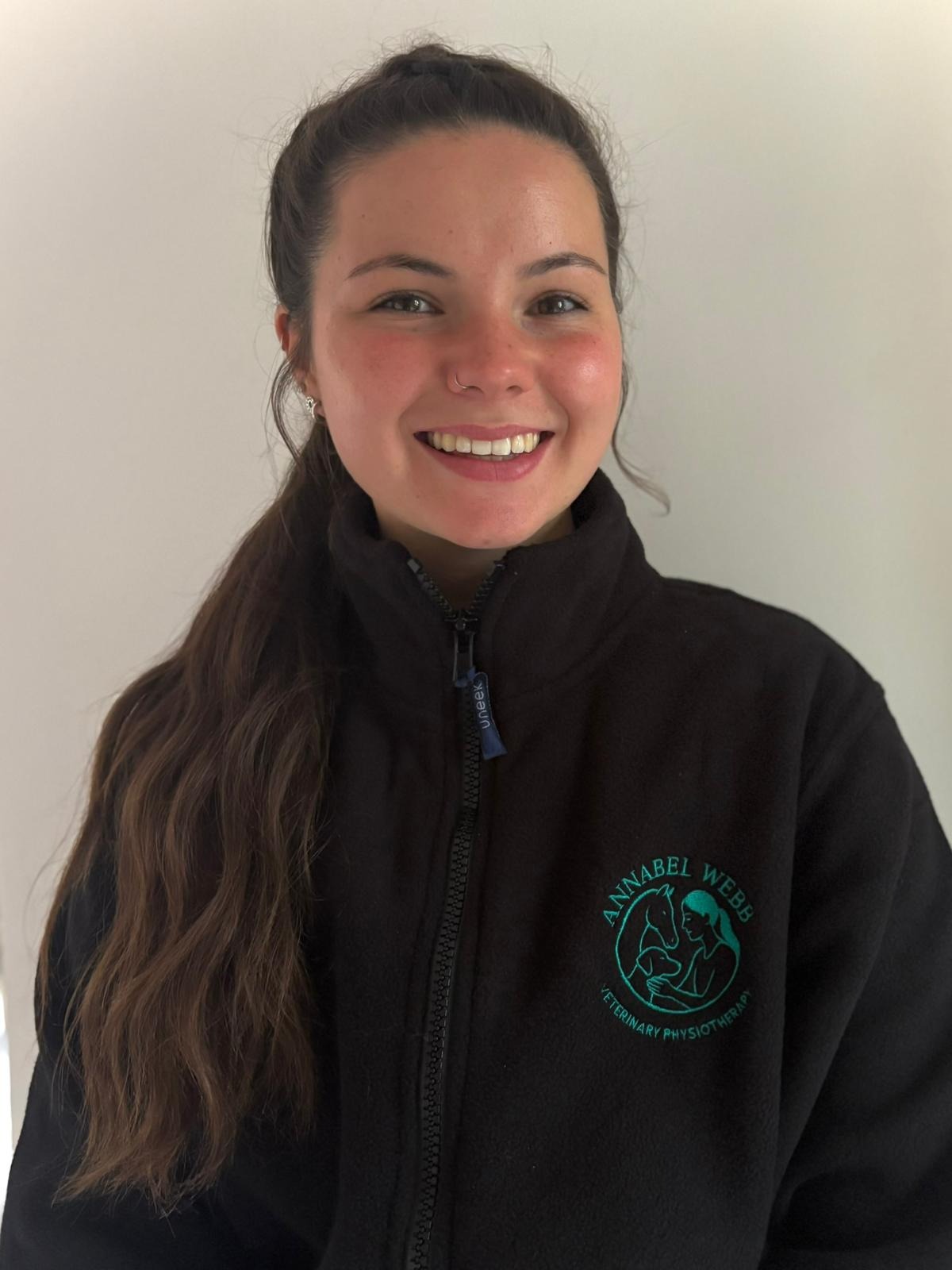
Embracing a calm, caring and compassionate approach, Annabel specialises in Equine and Canine Rehabilitation and offers mobile services across Norfolk.
I spoke to Annabel to discover her journey as Veterinary Physiotherapist, the importance of continuous development in the industry, her plans for the year ahead and how she continues to place your animal’s wellbeing at the heart of everything she does.
When did your journey as a Vet Physiotherapist begin (and what drew you to the industry)?
I think I always knew I wanted to work with animals from a really young age. But I feel like when you say that when you’re younger, you often get eye rolls by adults in the room because ‘everyone wants to work with animals’ or ‘everyone wants to be a princess when they’re older’, so people don’t view it as a realistic career path.
I find comfort around animals – I was always the friend that, if you invited me over, would sit with your dog all night!
When you’re in high school, and you’re looking at your options after A-Levels, apart from being shown the two avenues or Veterinary Medicine or Zoology, there wasn’t any other options. Neither of them really spoke to me and I knew I didn’t want to explore them, so I looked to my second passion which was looking into the body and how it works – physiotherapy!
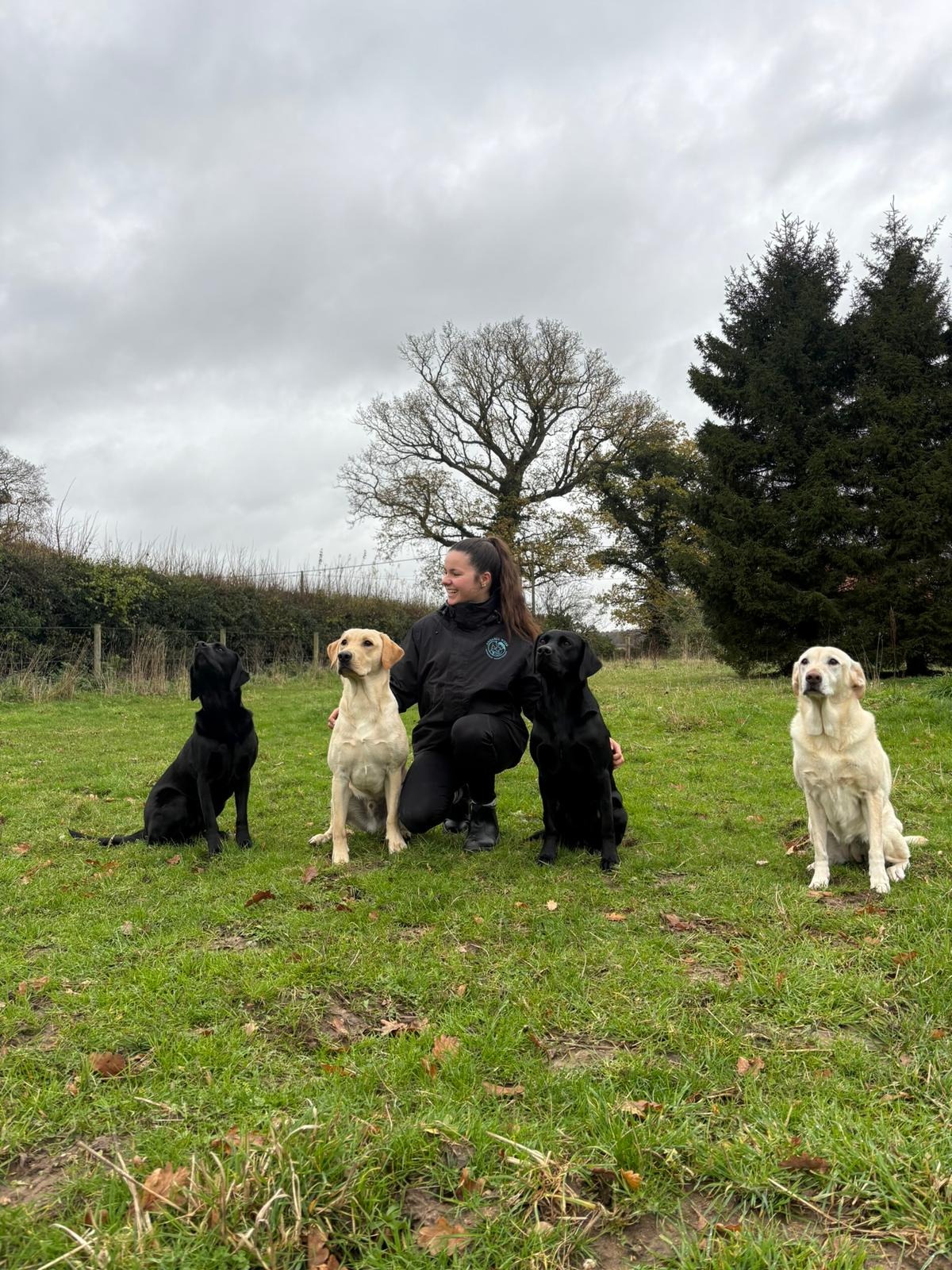
I applied to do human physiotherapy because I had always been interested in sport and health and fitness and knew that was very important in my life. I have always been intrigued in how you can help someone beyond surgery and medication in terms of manipulating the body to treat, strengthen and rehabilitate.
I was on my way to do Human Physiotherapy, and then I very much turned a corner and knew I didn’t want to do this. I had always wanted to work with animals, but I couldn’t see any other option at the time.
I went and did a very broad undergraduate degree in Animal Science and Welfare and it was brilliant – it covered every from behaviour to nutrition, to anatomy and physiology - I learned a wide range of knowledge from it.
It was from this degree that I found the master’s in Veterinary Physiotherapy. It really does marry my two biggest loves – health and fitness and animals and helping them.
What inspired you to launch Annabel Webb Veterinary Physiotherapy?
It was never my plan to launch my own business straight away.
I wanted to come out of university qualified and look for job opportunities in the area (which were limited in the Norfolk area!).
I have always been very driven and ambitious. There was a voice that said, ‘If you don’t do it now, when will you?!’.
At the time, I was 23 years old and, even though it seemed that I was too young or too soon out of university, I just knew if I didn’t do it now, there would always be something in the way. And, if I started into a full-time role, I would always find myself stuck there.
I am so grateful I took the leap and started my business straight away. When you come out of university, you still feel like a student and you have so much to learn!
As a veterinary physiotherapist, you aren’t supervised, so I got my own mentor using the NAVP association and joined the mentorship programme to get some extra support and advice.
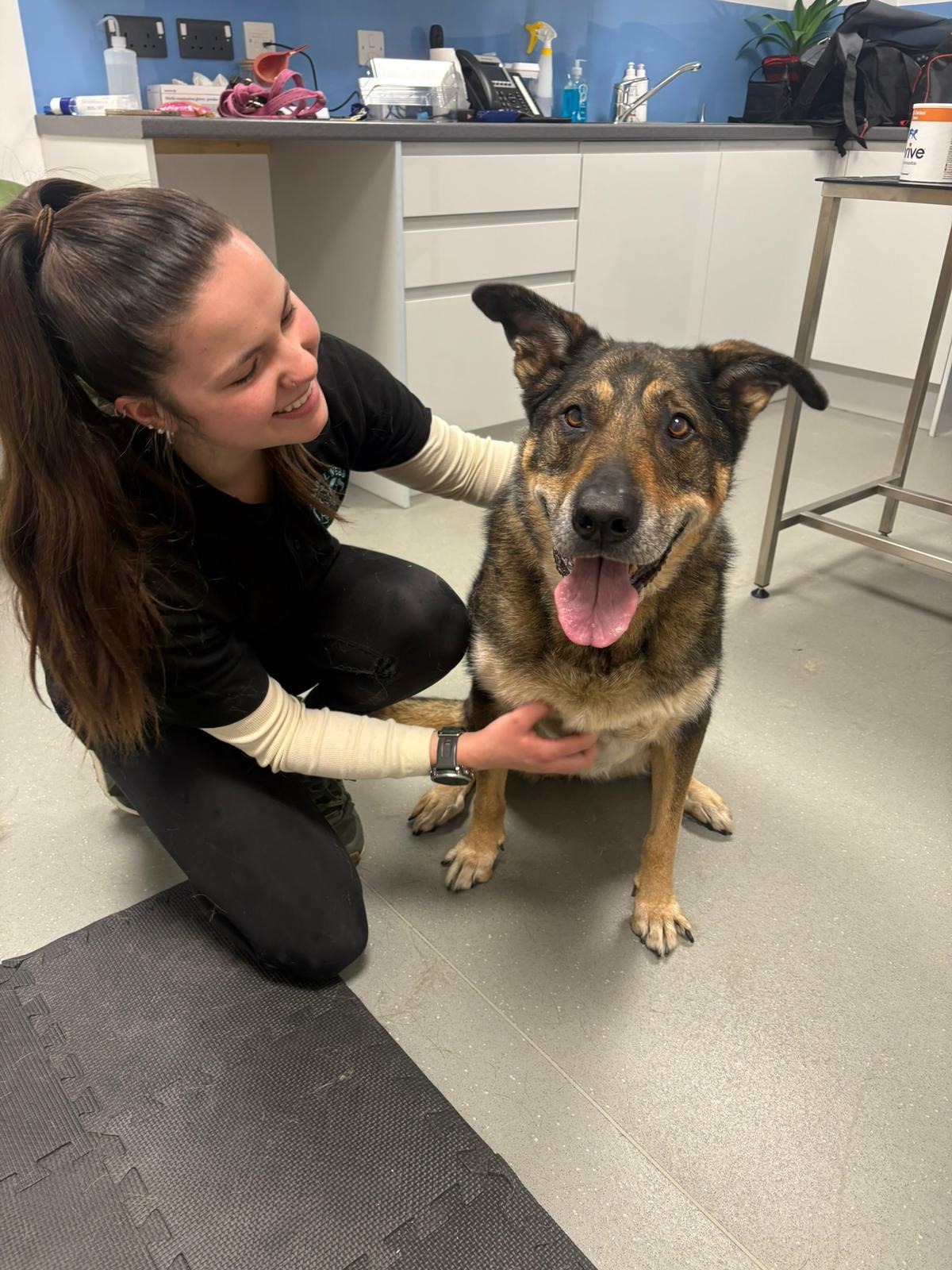
When meeting a new animal, how do you decide what treatment will be best to offer (understanding their individual needs and speaking to owners)?
Every single animal is so different.
You cannot go into a new patient and think, ‘oh they’ve been referred to me with this, so I know I can use X, Y and Z!’ – you’d be very narrowminded to do this as every animal is an individual.
Just like treating humans, they all have different levels and thresholds they can reach and they all respond to treatment differently.
This is why I always do a very long initial assessment – they’re the longest sessions I do. It’s an hour and a half for dogs and two hours for horses.
I don’t want to rush the animal into anything – if it takes me a full half an hour/ an hour to be even able to touch that dog because they’ve just had surgery, I’m not going to rush them.
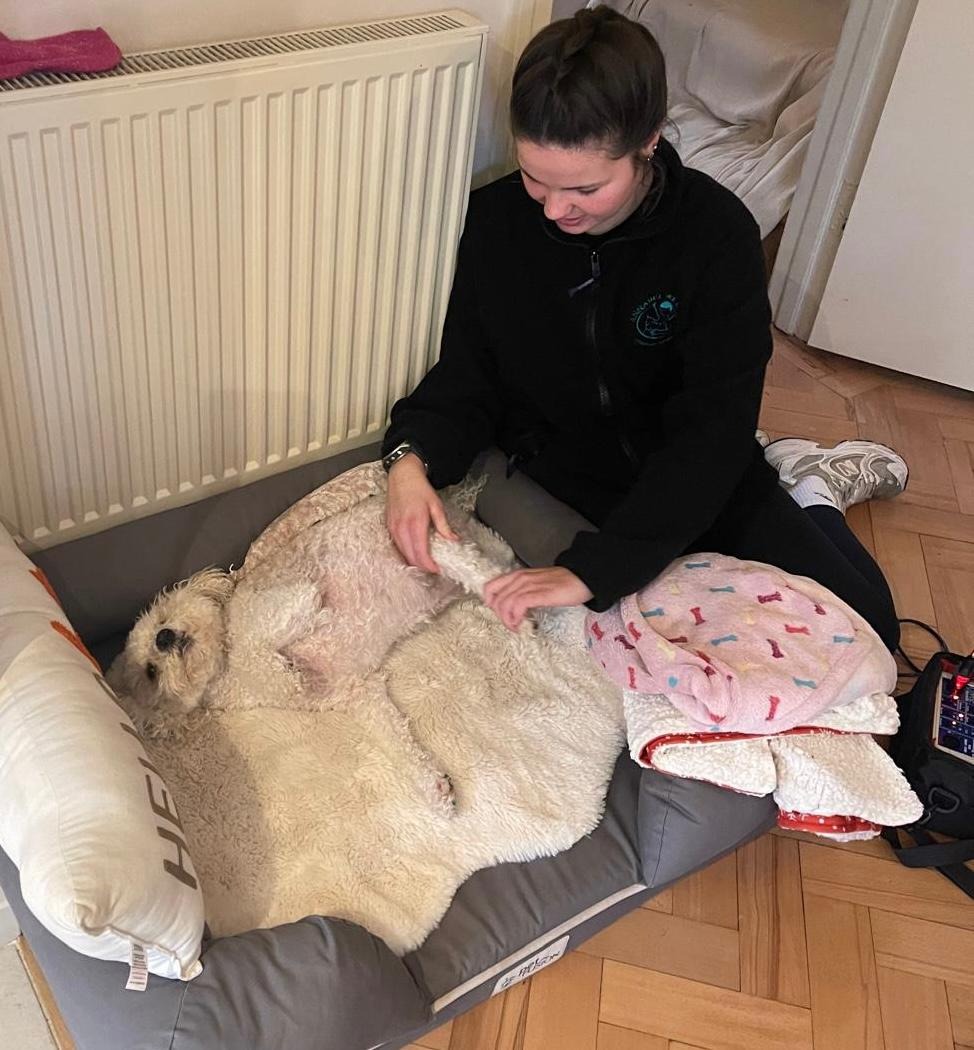
I want to create a relationship with them and it’s very important that I do if I’m going to be spending time with them. I want them to associate me with fun and treats or relaxation and pain relief – positive association is so important.
During that initial consultation, I’ll have discussions with the owner about everything that has led up to the situation today. I like to have a very complete overview of history, and this comes from looking at their vet history (which I get after asking for consent from their vets) and then also speaking to the owner.
After having that initial discussion, I start my assessment. I’m looking at their statics, how they stand, what their posture is like, how they move (walk and trot). I then feel/ palpate over their body/ ligaments to feel for heat, tenderness, etc.
We then assess range of motions – whether this is a general feel of all their joints and range of movements or its specific joints that I feel I need to test after looking at something in their movement or diagnosis.
I also pain score during that first assessment so I can adjust this throughout treatment. This assessment leads me to how I treat them.
And then I look at the dog themselves and how they respond to me and alter my methods in response to this. Every dog is completely different, and I have to read their behaviour the entire time.
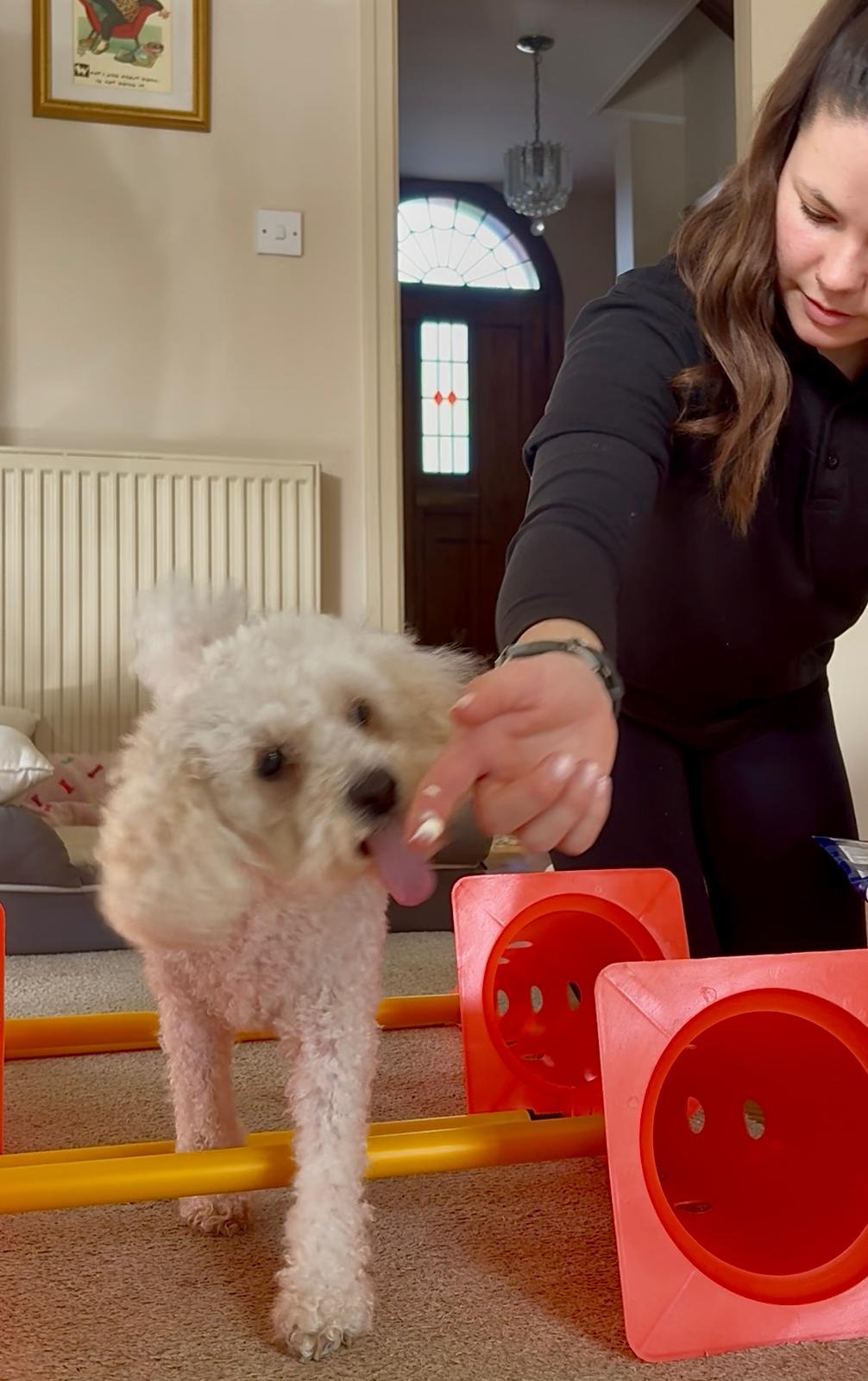
I create a treatment plan from that first session to see how this is going to progress after seeing what I saw today and how the dog responded to everything.
That treatment plan will be adjusted every time I see the dog because things always change – I sometimes see dogs weekly, some are monthly – I need to be able to adapt the treatment plan to the dog I see that day to have the biggest impact.
How important are the relationships you create with pets and their owners?
The relationships I have with the patients and their owners are equally important to me.
I need to have a great relationship with that animal so that we have trust and they trust me to treat them and go to areas that are painful to them or they guard a lot.
A lot of the dogs I see have changed their entire gait and temperament behaviour to protect an area of their body. When we talk about dogs having noise sensitivity or spook behaviours, a lot of time that is closely linked to pain because that loud noise one time made them shudder and jump (and when they jump, that caused them pain, so they link everything). Animals are very clever and have a good memory for things like this, especially when it comes to pain.
It’s super important to me, not only when I’m talking about dogs with difficult handling experiences, that every single dog I see links me with something positive and trusts me – whether that’s because I’m the treat lady, but also the feeling I give them during massage (relief etc).
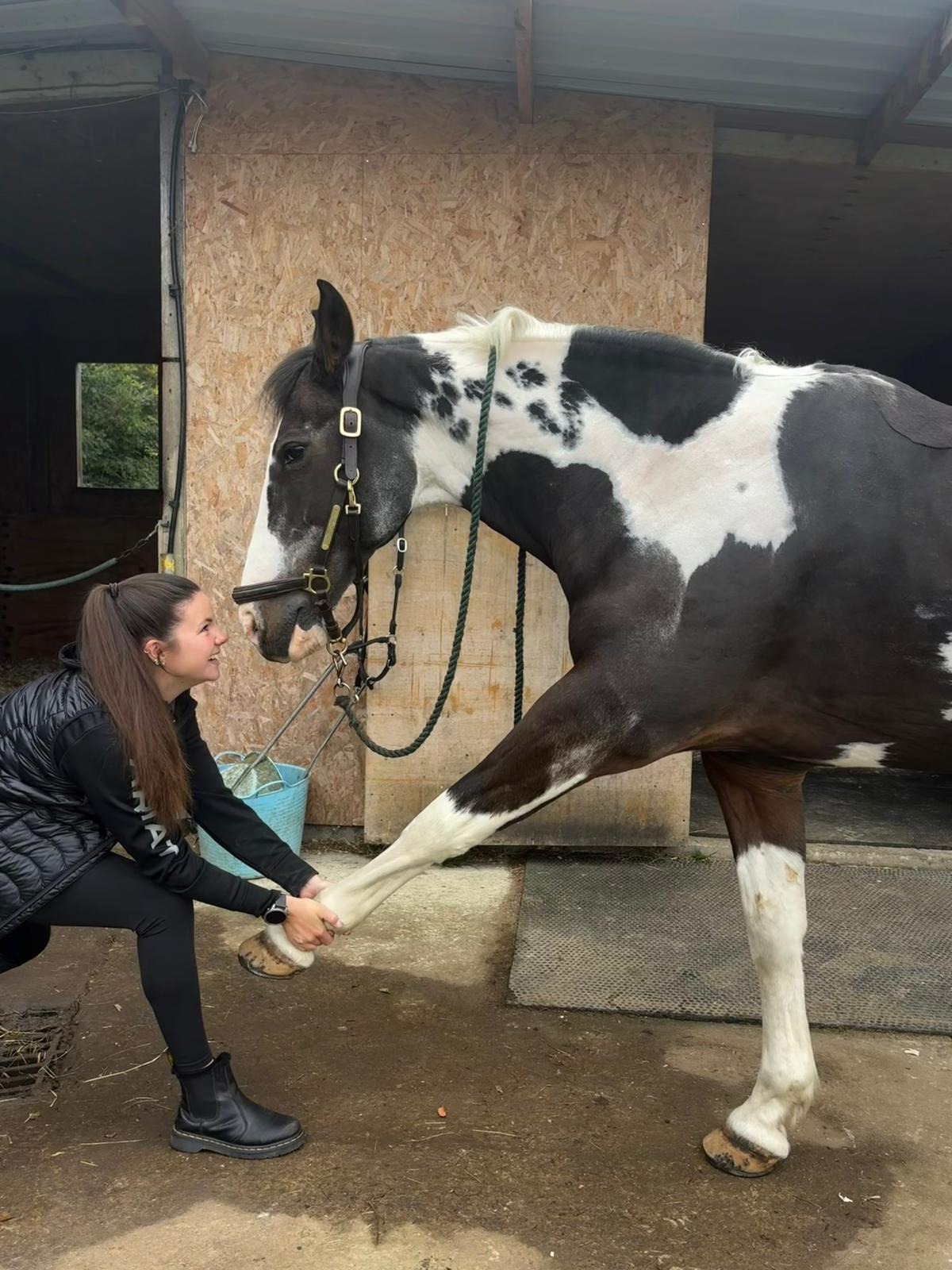
From an owner point of view, it is important that we have a good relationship and open conversation so they can tell me things and can openly speak to me about their concerns or things they’ve done this week.
This means I can give them my thoughts and advice on that, but equally I can say that certain things aren’t ideal in circumstances. It’s important to have this communication so I can advocate for their dogs.
I am happy to speak on behalf of an animal, even if that’s to have a difficult conversation. At the end of the day, one of my most important roles is educating their owners about their dog and making them have this closer relationship by understanding how their dog is trying to communicate with them.
It is super important that the patient and their owner have really positive open relationships to have this communication and offer guidance to them. I like to feel confident leaving an animal with their owner knowing that they’re having the best care in-between sessions because I can teach them and they can ask questions.
What do you love most about running your business?
Every day as a physio, I never feel like I’m working (as cringey as that sounds!). I don’t dread one part of being a physio. I don’t feel like I’m going to work – I still feel like I’m living a dream I had as a child to work with animals and help them every single day.
I love the freedom of being my own boss and planning my own week. Every single day looks different to me – and that’s what I love most about it!
It’s all very new and exciting at the moment in running my business (the hours spent doing admin at a laptop aren’t as exciting!).
I have been running Annabel Vet Physio for six months and I am not where I expected to be – it’s gone beyond my expectations! I have grown and learnt so much and every step of the way has been a learning curve.
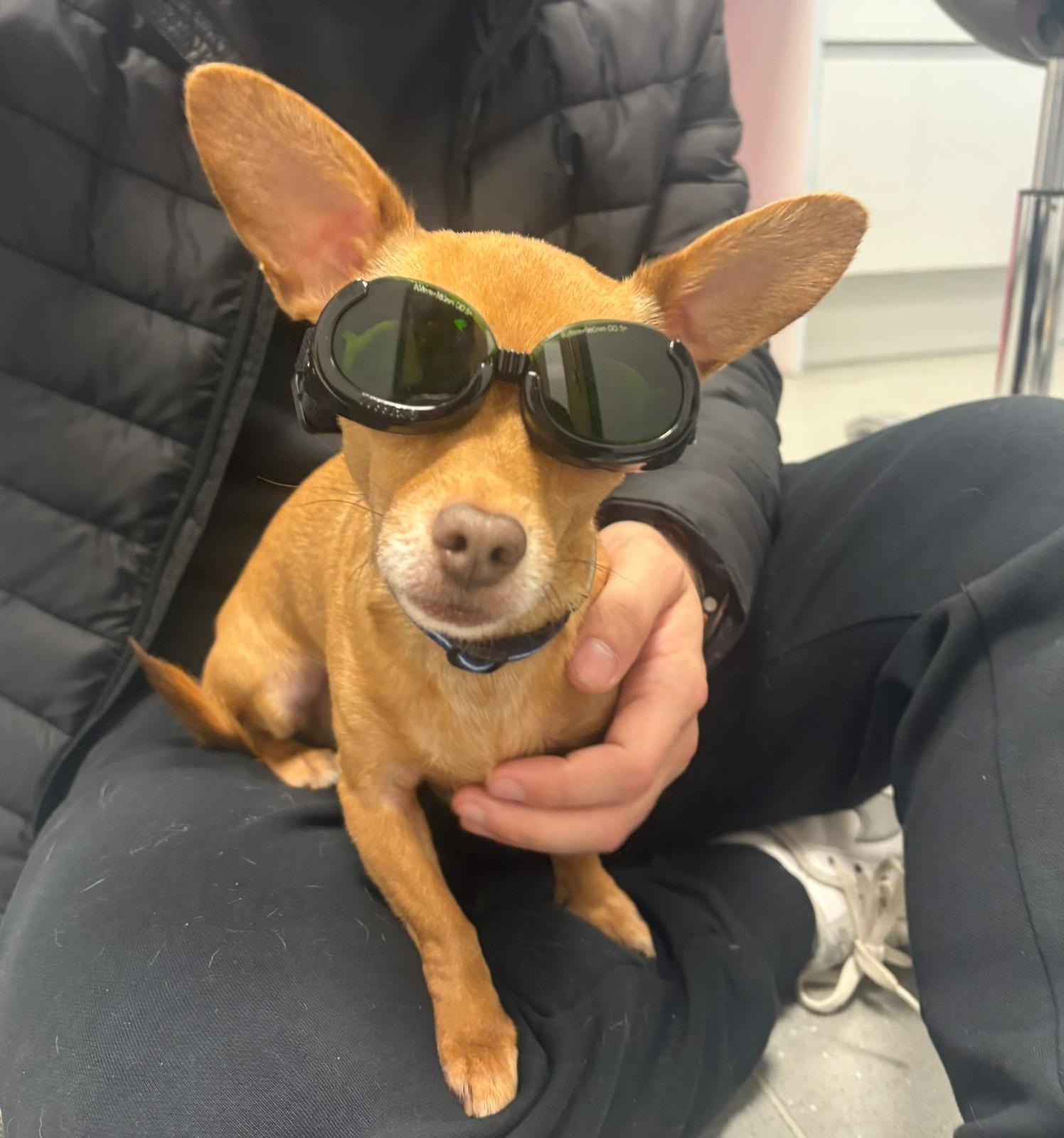
How important is your relationship with Rackheath Vets (and what have you enjoyed most since having your weekly session)?
My weekly sessions at Rackheath Vets have been a key factor in the trajectory of my business.
I never expected to have this level of growth in six months. I started in Rackheath Vets in December 2025 and, since then, the growth has been unbelievable.
I had been going to Rackheath Vets with my own dog and I was blown away with their facilities, the way they handle my dog and the friendliness of the staff and vets.
I emailed them after coming home asking if they’d be interested in physiotherapy. I was very fortunate that they were interested in having it as part of their clinic. They’re very forward-thinking which is amazing.
They always make me feel part of the team when I am there on a Wednesday. The team is super friendly, and they have been since day one. I have created some amazing friendships and relationships with the people that work there.
On the business side, we do internal referrals between me and Rackheath Vets. When working with outside vets, where owners might be told to come to me from their vets, I have to contact their vets for consent and their medical reports. However, with Rackheath, it is a really sleek and easy process where the vets send consent and a referral all in one.
I can speak to the vets as I am on site which is really useful. They have sent me lots of internal referrals of different cases which we discuss to make sure we are on the same page. It has been amazing to work with some outstanding vets and have their opinion on cases. I love my sessions there – every week is so different! It also gives people who don’t know me a place to meet me and see what I do.
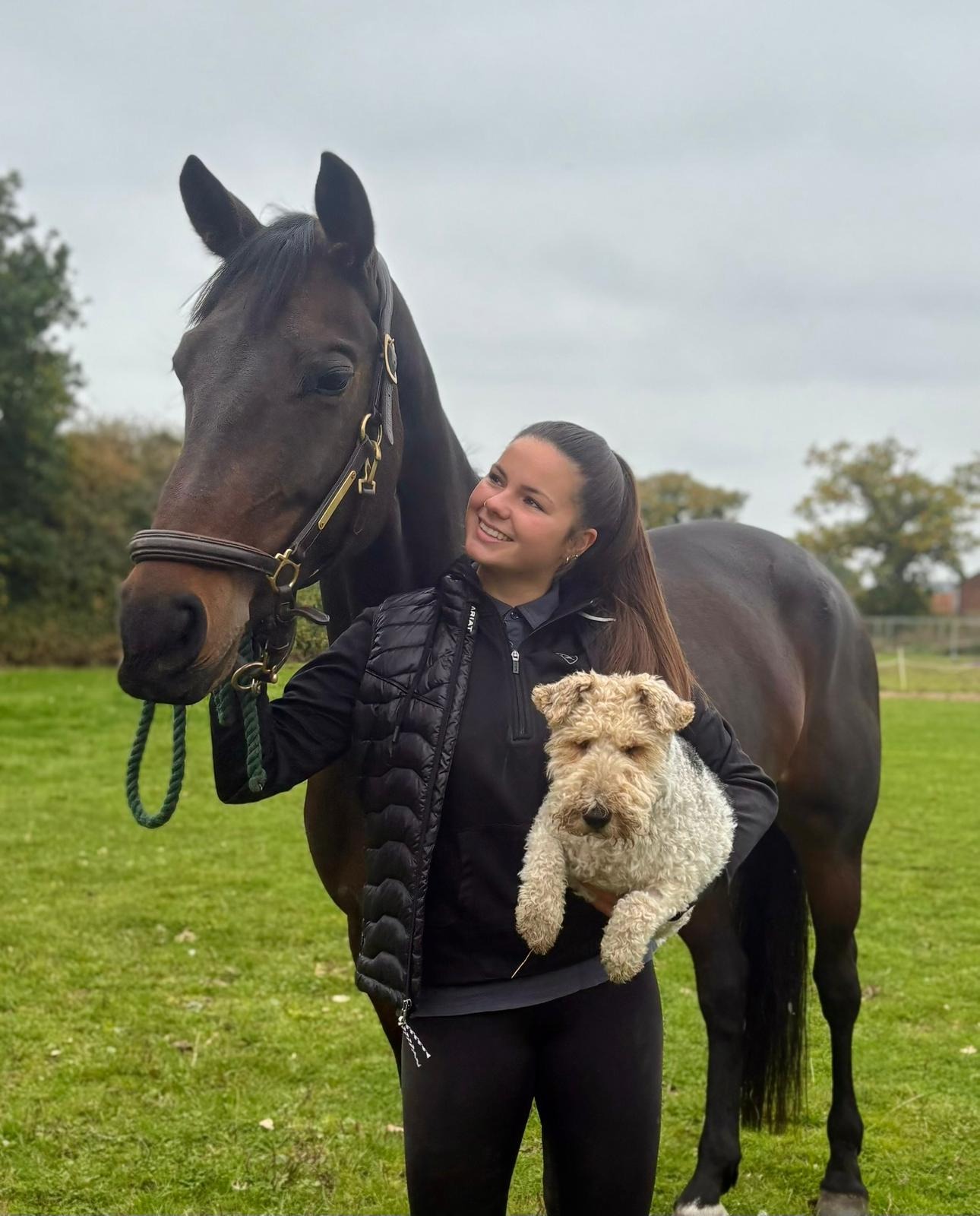
What importance do you believe being mobile has had in your business?
My mobile days are my most popular.
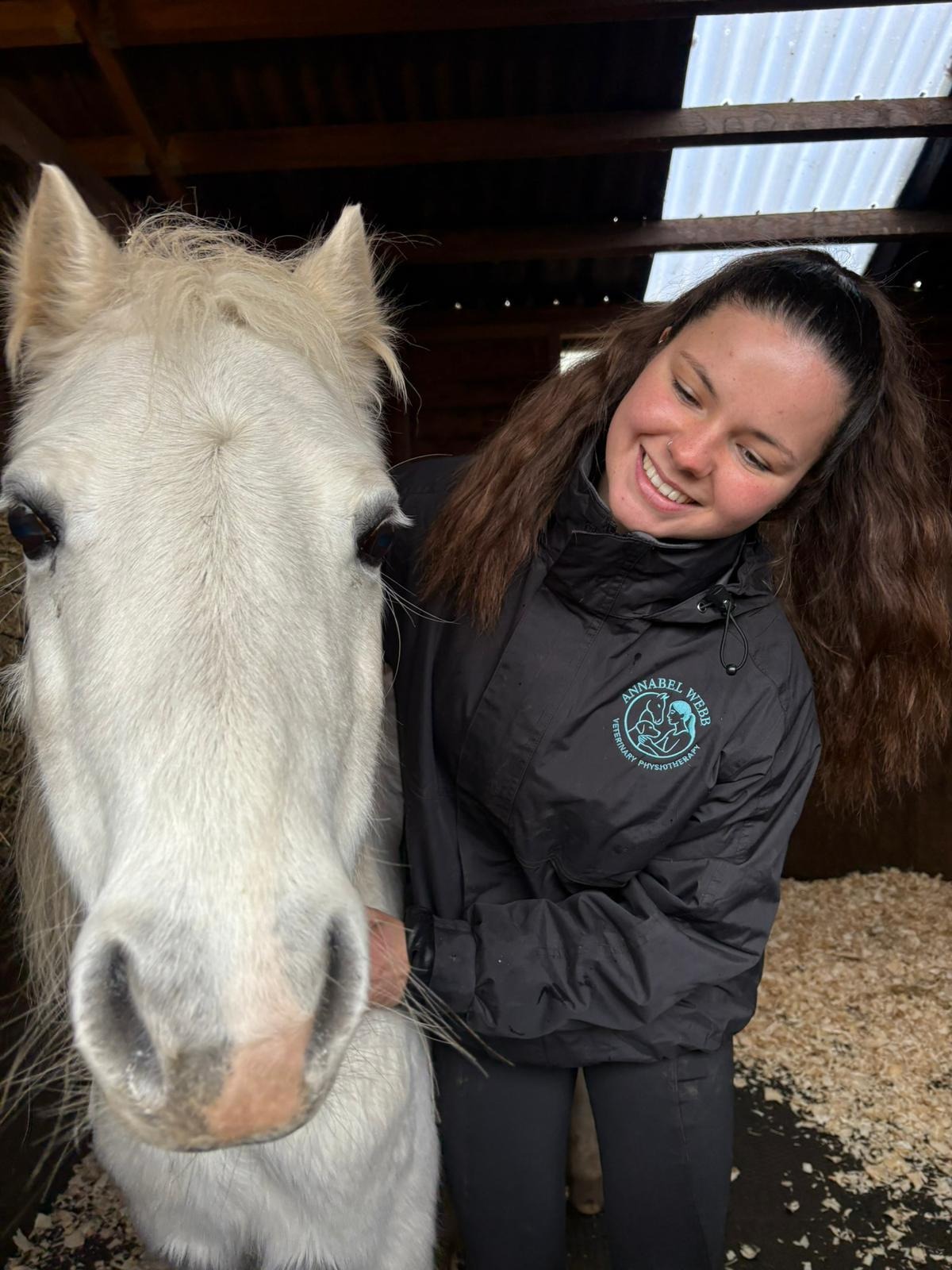
In terms of the equine side, I am always mobile and I do different yard visits where I can treat whole yards in a day.
For my small animals, I can offer my clinic days at Rackheath Vets or mobile appointments where I come to their houses. This has been one of the standouts when starting my business.
I didn’t realise how beneficial being able to offer physio in their environment would be. I have seen dogs in the vets where physiotherapy hasn’t been as effective as they remain in a high level of alert the entire time because they are in the vets. When I meet them in their home, it is like meeting a completely different dog.
So many of my dogs are anxious, so being able to offer the opportunity to come into their homes to treat them has made the appointments more effective and they can relieve their stress and relax.
On the other side, dogs that are painful or stiff (if they have arthritis or are older), there is no need to get into the car and feel uncomfortable during any journeys. All the jarring movements can impact the case, so being able to offer the treatment in their bed is ideal.
I always advocate for what I think is best for the animal.
A lot of the time, it is important that we try the vets for younger dogs that have had bad experiences in the vets as I want to slowly change their opinion on the vets and make it a better experience.
My focus is always on doing effective veterinary physiotherapy, so if that means it is at their home, then it will be there.
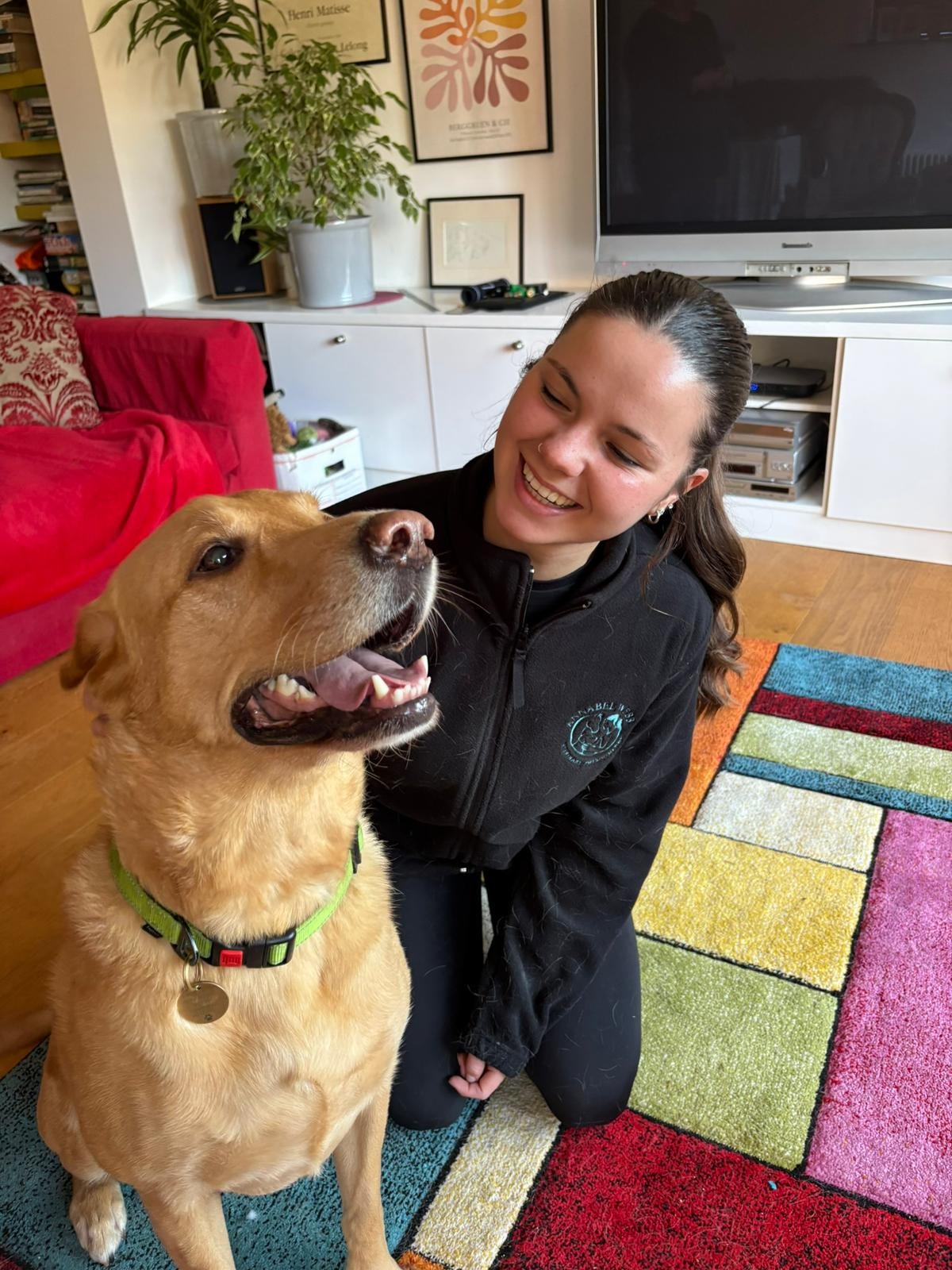
How important is continual development in the industry (and how do you embrace this)?
CPD is super important as a physio- not only because veterinary physiotherapy as a profession is continually evolving, but there are also lots of changes happening in terms of legislations and the profession becoming protected.
Keeping on top of these changes is really important to me as this is my career and the job I see myself doing for the rest of my life. I can’t imagine a day where I won’t want to be a physio.
I am also only at the start of my career, so it is really important for me to stay on top of everything that is going on. Any experience or extra knowledge I can gain is paramount.
I have been very fortunate to have done some shadowing, specifically with Anglian Vet Physio and Hydro. Sammi, who runs it, has been very wonderful to let me shadow some of her hydrotherapy sessions which has been amazing to watch someone who has far more experience and a very successful business conduct their practice.
Having a mentor has also been very beneficial to have a wealth of knowledge at the end of the phone when I have a case I need a second opinion on. My mentor is very encouraging and has been amazing for my development.
I have also done lots of CPD webinars since qualifying. I am part of AHPR and NAVP, both of which expect a specific number of hours of CPD to renew your membership. I try and do at least one webinar a month which has been amazing. These webinars are by experts in their specialism, so to hear from people who have this depth of knowledge on areas has been amazing in shaping me and my practice as a young and newly qualified physiotherapist.
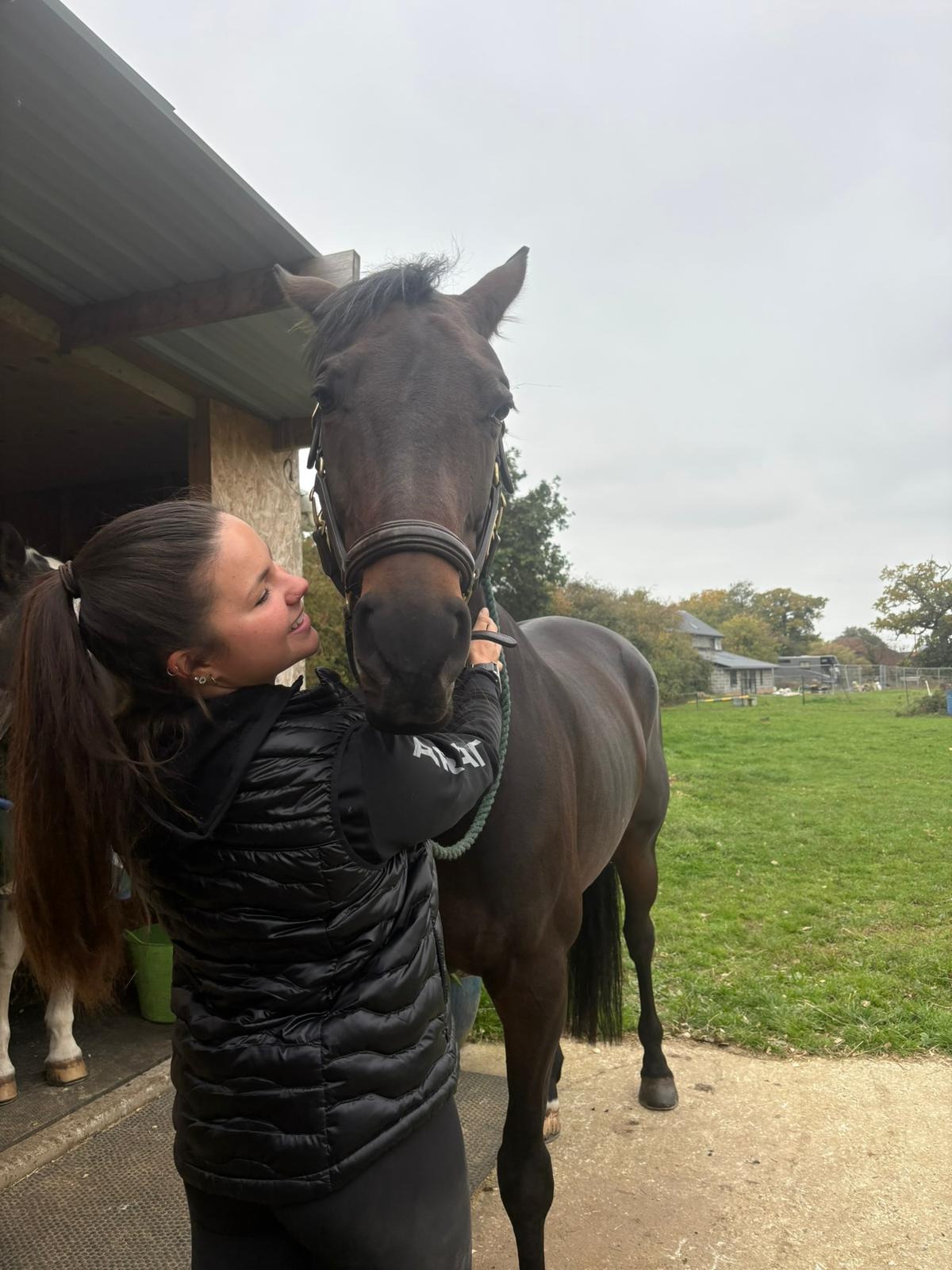
What plans do you have for the year ahead?
This May, I am handing in my dissertation for my Masters in Veterinary Physiotherapy, which means I will be done with university work for a while!
I will then be focusing solely on my business. I am hoping to do lots of pop-ups at puppy training classes, obedience classes, gun dog training – I am in contact with a lot of them and in the works to be set up once my dissertation is through.
I would like to do lots of talks explaining how everything can be linked, in terms of behaviour linking to pain, or movement linking to deeper things happening in the body.
I have had lots of professionals reach out to me, like canine behaviourists, equine sports massage therapists and canine dog trainers (to name a few!), which has been amazing. I want to continue this networking and the conversations I am having with them, which is very exciting.
I am going to continue with my social media presence, which has been super important for engagement. I am also looking to start a website to help with online growth.
I am very excited for my plans this year, but my first focus is getting my dissertation handed in (and then I will be having a break from writing anything academic for a while!).
To keep up to date with the incredible work of Annabel, you can head to her Instagram (@annabelwebbvetphysio)!
Post a comment